Treasure Coast Real Estate Blog

Feb. 14, 2026

Multigenerational Living

Trends in Affordable Housing

As housing costs rise, more families are opting for multigenerational living, where multiple generations share a home, including aging parents and adult children returning home. This arrangement helps families save money and share resources, driven by the increasing challenges of affording independent housing for both young adults and older family members.
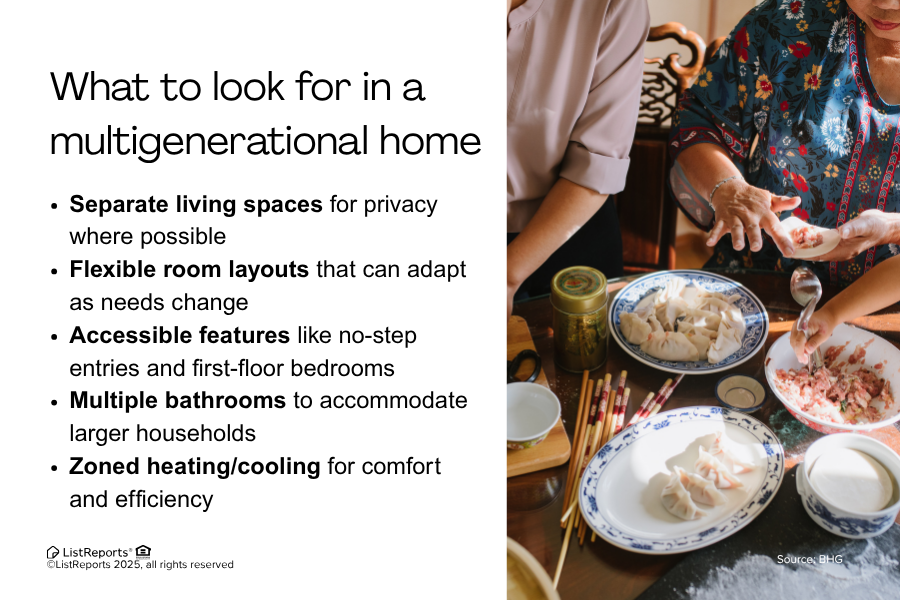
The Shift Towards Multigenerational Living

Benefits of Multigenerational Living

1. Economic Necessity: Families are pooling their resources to afford larger homes and share expenses such as mortgages, property taxes, and utilities, according to the National Association of Realtors.

2. Caregiving Benefits: Multigenerational living makes it easier to provide childcare and elder care, as family members can support and offer companionship to one another.

3. Increased Homebuying: A significant percentage of home buyers are now specifically planning for multigenerational living, emphasizing its growing popularity.

Factors Contributing to the Trend

1. High Housing Costs: Rising home prices and rents, combined with stagnant wages, make it challenging for individuals and families to afford independent housing.

2. Childcare and Elder Care Expenses: The high costs of childcare and elder care can be a significant burden, making multigenerational living an appealing option for families.

Challenges of Multigenerational Living

1. Zoning Regulations: Some municipalities have zoning laws that restrict the construction of accessory dwelling units (ADUs) or the ability to accommodate multiple generations in a single home.

2. Space and Privacy: Living closely together can occasionally lead to conflicts and a lack of privacy, necessitating careful planning and consideration.

3. Financial Strain: While pooling resources can lead to savings, managing finances and expenses can be complex in a multigenerational household.

The trend toward multigenerational living is on the rise as families face high housing costs and increased caregiving demands. By pooling resources, families can save money and receive increased support. However, it’s important to address challenges such as space, privacy, and financial management. With careful planning and communication, multigenerational living can offer a successful solution for families navigating today’s housing landscape.

Feb. 6, 2026

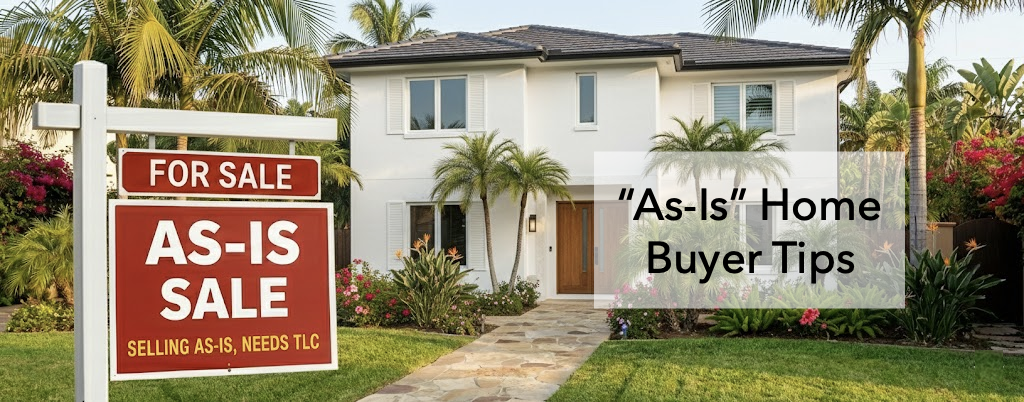
Buying a Home "As-Is"

Understanding "As-Is" and "Fixer" Home Purchases

Buying an "as-is" home means purchasing it in its current condition, with no obligation on the seller to make repairs, offer concessions, or provide credits for defects discovered during the buying process. As-is listings have become popular with sellers who want to avoid mandatory repairs. The home could be in excellent condition or a total teardown; the designation simply sets the negotiation framework.

Is a Fixer-Upper the Right Choice for You?

A "fixer-upper" property specifically needs major renovations to become livable or updated. While many as-is homes are fixer-uppers, not all fixer-uppers are listed with an as-is clause. While this often allows for a lower purchase price and faster closing, it carries significant risks, including hidden structural, electrical, or plumbing issues. Thorough inspections are essential to assess necessary repairs. 

As-Is Home Buyer Tips

Fxers are everywhere, even in wealthy enclaves. They're available on the market, often at a discounted price, are older, and tend to be smaller. What sets them apart is the price. They may have a lower market value than other houses in the immediate area because they are distressed, poorly maintained, vacant, or abandoned.

Determining if a property is a wise investment requires careful consideration. Start by researching the average sale prices of homes in the area, along with the costs of the most desirable properties. 

Questions to Ask when Considering an As-Is or Fixer

Seller Position: Sellers typically do not negotiate repairs or price changes and often sell as-is due to financial constraints or a lack of knowledge about the property.

Importance of Inspection: A thorough inspection is essential to identify significant issues with the structure, roof, or electrical systems.

Financing Challenges: Traditional loans may not be available for homes with serious problems; cash or special loans might be needed.

Hidden Costs: Be prepared for renovation and unexpected repair costs beyond the purchase price.

Due Diligence: An inspection contingency allows you to back out of the deal and recover your deposit if serious issues are found.

Tips for Success

Get a Detailed Inspection: Hire a qualified inspector to evaluate the home.

Budget for Repairs: Estimate repair costs and add 10-20% for surprises.

Understand Disclosures: Review sellers' disclosures of known defects carefully.

Consider a Home Warranty: This may cover repairs after closing. Note: Be sure to read the Home Warranty terms, which outline what's covered and the replacement options for failed appliances.

Negotiate Wisely: If the inspection reveals significant problems, you can negotiate repairs, a lower price, or move on to another property.

You may want to avoid purchasing homes in deplorable condition that require extensive renovations. Instead, consider properties that only require minor cosmetic updates, such as fresh paint, wallpaper, new flooring, window treatments, landscaping, and new appliances.

Keep in mind that if a home price seems too good to be true, it probably is. Always find out the reason behind the price before investing your hard-earned money.

When considering an As-Is transaction or searching for a fixer-upper deal, a good strategy is to find the least desirable home in the most desirable neighborhood. After identifying properties that interest you, evaluate whether the estimated costs to repair them fit within your budget.


Posted in Home Buying, Investors
Feb. 1, 2026

Preparing Financially to Buy a Home

The Home Buyer's Guide to Getting Mortgage Ready

Finance

Are you planning to buy a home soon? If so, now is the time to start getting mortgage-ready. Follow these steps to ensure you are prepared to secure the best mortgage for your future home.

Step 1: Check Your Credit Score

Your credit score plays a significant role in determining the type of mortgage you can qualify for. Check your credit score and make sure it is in good standing. If there are any errors, dispute them immediately.

Step 2: Save for a Down Payment

The more money you can put down on your home, the better your mortgage terms will be. Start saving for a significant down payment when it's time to buy.

Step 3: Get Pre-Approved

Getting pre-approved for a mortgage will give you a clear idea of how much you can afford to spend on a home. This will also show sellers that you are a serious buyer.

Step 4: Keep Your Finances Stable

Once you are pre-approved, it's essential to keep your finances stable. Avoid making major purchases or changing your employment status, which could affect your mortgage approval.

5. Get professional help:

A mortgage broker can help you navigate the mortgage process, answer any questions, and find the best mortgage. By following these tips, you can become mortgage-ready and be well on your way to owning your dream home.

By following these steps, you will be on your way to getting mortgage-ready and finding the home of your dreams. Good luck!


Contact us today to schedule a consultation. Whether you are buying or selling a home on the Treasure Coast, we are always happy to meet with you to discuss your wants and needs without obligation.

Jan. 5, 2026

Guide to Written Buyer Agreements

Have you heard about changes in the real estate industry? 

When purchasing a home, working with a REALTOR® means partnering with a professional obligated to act in your best interest. According to the new regulations, you must sign a written buyer agreement with your chosen agent before touring homes. Here's what you need to know about these agreements. Learn More

Buyer Agreements

Background Summary


Beginning August 17, 2024, homebuyers will be required to sign written buyer agreements with real estate professionals, as mandated by a settlement agreement from the National Association of REALTORS® regarding broker commissions. You will sign this agreement after choosing the agent you want to work with.


Key Aspects of the New Buyer Agreements


Before Touring a Home: Buyers must sign an agreement with their agent before touring a home in person or virtually.


Purpose of the Agreement: Outlines the services and compensation for the agent.


Negotiating Terms: The agent's fee is negotiable and not set by law. Buyers and agents can agree to change or end the agreement.


Payment Structure: While buyers may be responsible for paying the agent, they can negotiate for the seller to cover these costs.


Open Houses: Buyers do not need a written agreement to attend an open house.


Clarity: These changes clarify roles, responsibilities, and fees for both buyers and agents.


Understanding the implications of these new rules is vital for a successful homebuying experience. We are here to help you navigate this transition smoothly, providing the support and expertise you need to make informed decisions on your path to homeownership. Guide to Written Buyer Agreements.


Source: Realtor.com


Dec. 25, 2025

Real Estate Services for South Florida's Beautiful Coastlines

From the Treasure Coast to the Gulf Coast — when it comes to South Florida waterfront properties, we've got you covered! 

The Meadows, Palm City Homes for Sale in Palm City Farms

Interest List

Are you eager to immerse yourself in the coastal allure of Stuart, Florida? This charming city is renowned for its picturesque waterways, where you can enjoy kayaking, fishing, and boating right from your own ocean-access home. Picture yourself sipping coffee on your balcony while taking in the serene views of the St. Lucie River.

Alternatively, are you ready for an exciting new chapter in a Gulf Coast city like Bonita Springs? This lively Gulf Coast community features stunning white-sand beaches that invite you to bask in the sun and stroll along the shore. Explore the tranquil barrier islands and vibrant coastal marshes that are home to diverse wildlife, or wander through the lush mangrove forests that create a unique ecosystem. 

Whether you're looking to settle down in your dream home in Stuart or find a vibrant lifestyle on the Gulf Coast, our team specializes in relocation services that will help you seamlessly connect the beautiful east and west coasts of Florida. We're here to make your transition as smooth and enjoyable as possible! Find Out More

Seamless Gulf Coast Relocation

While we remain your trusted experts for buying or selling property in the Stuart, Florida area, we are excited to introduce a new specialty for clients relocating to Lee and Collier Counties, especially the beautiful communities of Naples and Bonita Springs.

Thinking of heading to the Gulf Coast? Our new relocation service offers:

Cross-Coast Coordination: We handle the sale of your Stuart home and the purchase of your Bonita Springs property simultaneously to ensure a stress-free transition.

Local Gulf Expertise: Gain access to the best mid-luxury and waterfront properties in Bonita Springs, where demand for Gulf proximity remains high.

Relocation Logistics: We connect you with local real estate professionals and area experts to help you settle into your new neighborhood immediately.

Ready to make your move?

Don't navigate this shifting 2026 market alone. Whether you're buying your first home in Stuart or relocating to the beautiful shores of Bonita Springs, we provide the data-driven strategy you need to win.

Line up your 2026 plans today! Find Out More

#StuartFlorida #BonitaSprings #FloridaReal Estate #RelocationServices #TreasureCoast #GulfCoast #MovingToFlorida #RealEstate2026


Posted in Home Buying
Dec. 11, 2025

The Opportunity Right Now for Buyers

Home Buying Couple

The Federal Reserve Just Cut the Rate by 0.25% 

Here's what truly moves the housing market right now: Rates are holding steady around 6.3% because mortgage rates don't follow Fed rates; instead, they follow the 10-year Treasury yield.

Where are the opportunities for buyers right now?

It's in the calendar, not the rates.

Many buyers tune out during the holidays and plan to "wait until Spring" before starting their search. The unintended side effect is that when Spring arrives, everyone jumps back in at the same time, which inevitably leads to more competition and bidding wars.

This creates a quiet "sweet spot" for you.

Whether you look during the holidays or get ready for a January start, you have a chance to shop without the crowd and take advantage of

✅ More Seller Concessions 

✅ Maximum Negotiating Power 

✅ Access to Price Reductions 

Realtor.com is forecasting home prices to rise another 2% in 2026. If you find something now (or in January), you lock in today's price without the Spring frenzy.

I can send you a list of homes in your area that have had their prices reduced to browse now. Price-Reduced Homes


Posted in Home Buying
Nov. 23, 2025

Things to Consider Before Downsizing

Downsizing can help you save money and live a simpler life. It's a great option if you're tired of maintaining a large house and want to lighten your load. Whether your kids have left for college or you're looking for a way to avoid the chores and maintenance of a large house, downsizing can be a smart move toward a happier future.

Perks of Downsizing

If you are tired of maintaining a large house and want to move to a smaller place, downsizing could be a great option. It can help you save money and live with less. Downsizing is often considered by people with kids who have left for college, those who want to move closer to their friends and family, or those who want to buy a condo to avoid the chores and maintenance of a large house.

Scaling Down

Before you decide to downsize, you should consider a few things. First, determine whether you are ready to move and when you want to move. Secondly, you should have your home appraised to determine the potential proceeds from a sale. 

Thirdly, you should look for opportunities to relocate or buy a smaller home. Fourthly, you should research the locations of active adult retirement communities. Lastly, estimate how much you can save on reduced housing costs and how much you should spend. You can also consider possible additions to emakelife, i.e., easier in your home, such as an elevator or an ADU (accessory dwelling unit).

Tips for Downsizing

If you plan to downsize, here are some helpful tips to make the process easier.

  • Decluttering and selling unwanted stuff can help you make extra cash while creating more space.
  • Consider renting a storage unit for items you're not ready to part with.
  • Organizing donations can give you a sense of fulfillment and help you get rid of things you no longer need.
  • Embrace minimalism; it may be difficult, but it can also be liberating.
  • Remember to measure the space in your new home.
  • Be ruthless when deciding what to keep and what to discard.

These tips will help you simplify your life and make the most of your new space. Contact us to schedule a consultation today. Whether you are buying or selling a home, we are always happy to meet with you to discuss your wants and needs without obligation.


Nov. 11, 2025

Listing Gallery

MLS Listings Near Stuart, Florida

Don't miss your chance to own a home near Stuart, Florida! Find your dream home with our curated selection of properties, carefully chosen by our expert team just for you.

Today's Top Listings

More Listings


Posted in Lisitings
Oct. 24, 2025

Searching for a Home on Your Own?

Treasure Coast Homebuyer Services

Since 2003, Eric Slifkin and his team have been serving their clients' real estate needs. They provide a comprehensive approach to buying or selling property from the Treasure Coast to the Palm Beaches. On their website, you can search homes, explore communities, or sign up to get listing alerts that will keep you updated on changes and price adjustments to your favorite properties as they happen. Listing Gallery

Our services include professional property valuations before making offers, expert negotiations, managing all documents (we handle the contracts and paperwork), guiding the transaction through to closing (we keep everything on track), access to local service professionals we work with, and skilled experts supporting you every step of the way.

Oct. 19, 2025

Using your savings for a down payment?

Why You Shouldn't Drain Your Savings Account to Cover a Down Payment

If you want to buy a home, you’ll probably need to make a substantial down payment. Putting down 20 percent can help you avoid paying hundreds of dollars each month for private mortgage insurance. You may be thinking about using all the money in your savings account for a down payment, but that could be a big mistake.

Emergencies and Repairs

You could lose your job or become unable to work because of an illness or injury at any time, or a family member could be unable to work or have unexpected medical bills. That’s why you should always have an emergency fund with enough money to cover at least three months’ worth of living expenses.

Down Payment Assistance Guide

When you rent an apartment, you can call the landlord or maintenance department to fix any problem. When you own a house, the responsibility for repairs and maintenance falls squarely on you. Many people are unprepared for the total cost of homeownership. Having money set aside in a savings account for repairs and maintenance is much better than paying bills with a high-interest credit card.

The house you bought might need renovations to make it a comfortable or safe place to live. Upgrades could easily cost tens of thousands of dollars. You wouldn’t be able to fund these projects with savings if you emptied your account to pay for a down payment. Using a high-interest credit card could leave you overwhelmed with debt and unable to afford your mortgage.

Liquidity

A savings account can be accessed at any time. When money is tied up in a house, it can be harder to utilize. If you suddenly encountered a financial problem, it would be much easier to withdraw money from your savings account than to get a home equity loan or line of credit, especially if you just recently bought your house and didn’t have much equity.

Other Priorities

You probably have other financial goals that are as important, if not more important, than buying a house. High-interest credit card debt could take up a huge chunk of your monthly earnings, and high balances could make it difficult or impossible to buy a house or car with a favorable interest rate. The sooner you pay off your credit cards, the better off you’ll be in the long run. Retirement savings grow over time through compounded interest. If you haven’t started investing for retirement, you should before you buy a house.