Trends in Affordable Housing
As housing costs rise, more families are opting for multigenerational living, where multiple generations share a home, including aging parents and adult children returning home. This arrangement helps families save money and share resources, driven by the increasing challenges of affording independent housing for both young adults and older family members.
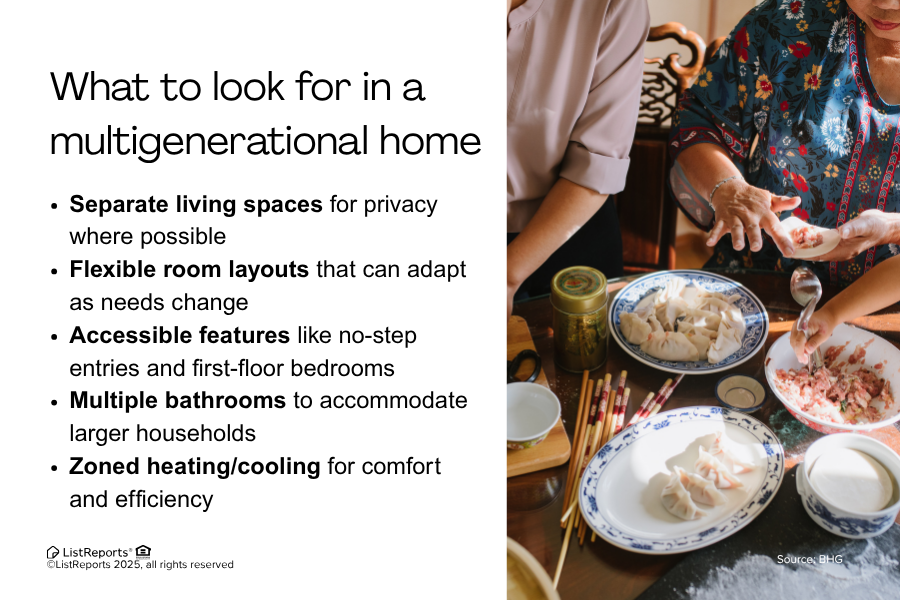
Benefits of Multigenerational Living
1. Economic Necessity: Families are pooling their resources to afford larger homes and share expenses such as mortgages, property taxes, and utilities, according to the National Association of Realtors.
2. Caregiving Benefits: Multigenerational living makes it easier to provide childcare and elder care, as family members can support and offer companionship to one another.
3. Increased Homebuying: A significant percentage of home buyers are now specifically planning for multigenerational living, emphasizing its growing popularity.
Factors Contributing to the Trend
1. High Housing Costs: Rising home prices and rents, combined with stagnant wages, make it challenging for individuals and families to afford independent housing.
2. Childcare and Elder Care Expenses: The high costs of childcare and elder care can be a significant burden, making multigenerational living an appealing option for families.
Challenges of Multigenerational Living
1. Zoning Regulations: Some municipalities have zoning laws that restrict the construction of accessory dwelling units (ADUs) or the ability to accommodate multiple generations in a single home.
2. Space and Privacy: Living closely together can occasionally lead to conflicts and a lack of privacy, necessitating careful planning and consideration.
3. Financial Strain: While pooling resources can lead to savings, managing finances and expenses can be complex in a multigenerational household.
The trend toward multigenerational living is on the rise as families face high housing costs and increased caregiving demands. By pooling resources, families can save money and receive increased support. However, it’s important to address challenges such as space, privacy, and financial management. With careful planning and communication, multigenerational living can offer a successful solution for families navigating today’s housing landscape.
:format(webp):quality(80)/u.realgeeks.media/treasurecoasthomesales/TCHS_logo_blog_1.png)