Eric Slifkin, Broker Associate, Keller Williams Realty
You can renovate a kitchen, but you can't move a house. The neighborhood you pick shapes your commute, your weekends, your insurance bill, and your home's value when you sell. On the Treasure Coast, the choices range from walkable Downtown Stuart to master-planned communities in Port St. Lucie to quiet waterfront streets in Sewall's Point, so it pays to know what you're looking for before you start touring homes.
What matters most to buyers
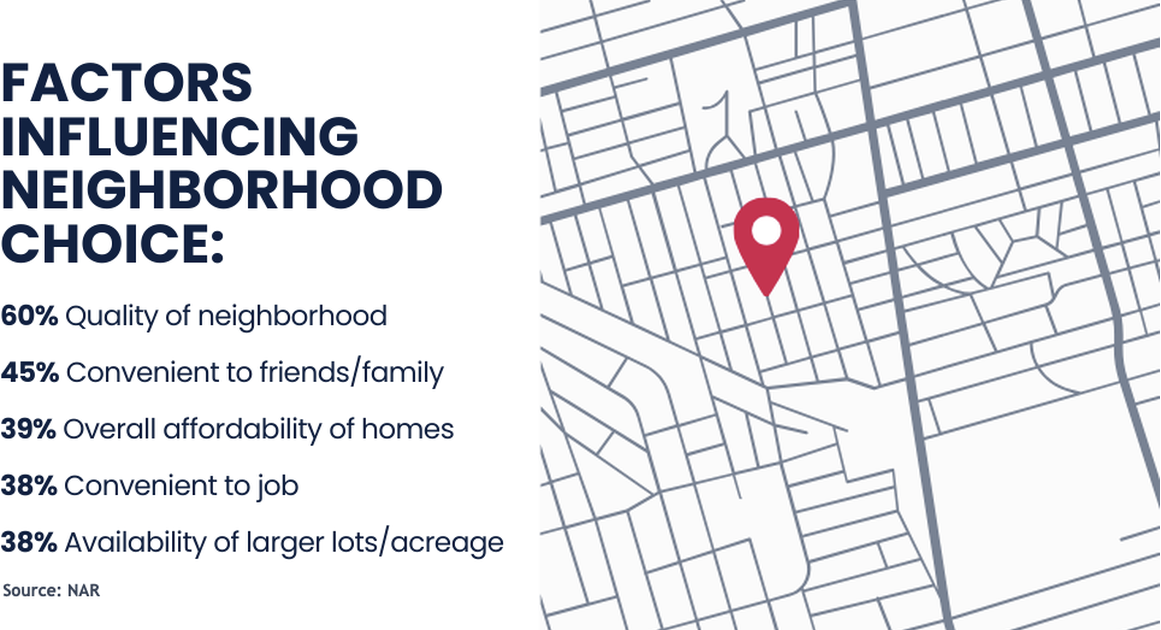
According to the National Association of REALTORS®, the top reasons buyers choose a neighborhood are:
- Quality of the neighborhood (60%)
- Convenience to friends and family (45%)
- Overall affordability of homes (39%)
- Convenience to work (38%)
- Availability of larger lots or acreage (38%)
Your list may look different. Use the steps below to build it.
1. Start with your non-negotiables
Write down the three things you won't compromise on. Common ones are a maximum commute time, a specific school zone, a budget ceiling, a boat dock, or room for a pool. Everything else becomes a "nice to have." This keeps you from falling for a house in an area that doesn't fit your life.
2. Test the commute at rush hour
Many Treasure Coast residents drive I-95, Florida's Turnpike, or US-1 to jobs in Palm Beach County. Drive the route on a weekday morning, not a Sunday afternoon. Keep in mind that traffic picks up in winter when seasonal residents return.
3. Look up flood zones and insurance costs early
This step is unique to Florida and easy to skip. Check the home's FEMA flood zone, elevation, and roof age. Then get insurance quotes before you make an offer, because two similar homes a few miles apart can have very different premiums. Ask for a wind mitigation inspection report if the seller has one.
4. Understand the HOA
Many communities here have a homeowners association. Ask for the monthly fee, what it covers, any planned special assessments, and the rules on rentals, pets, boats, RVs, and exterior changes. Gated, golf, and 55+ communities often have higher fees but include amenities you'd otherwise pay for separately.
5. Research schools, even if you don't have kids
School ratings affect resale value. The Treasure Coast spans three school districts (Martin, St. Lucie, and Indian River counties), and zone lines don't always follow neighborhood boundaries. Confirm the assigned schools for the exact address with the district.
6. Visit at different times of day
Walk or drive the neighborhood on a weekday evening and a weekend morning. Notice noise, traffic, lighting, and how well homes are kept up. If you see neighbors outside, ask what they like and what they'd change. They'll usually tell you more than any listing will.
7. Match the area to your lifestyle
Think about how you'll spend a typical Saturday: on the water, at the beach, on a golf course, or at a downtown restaurant. Then map how far each of those is from the neighborhood.
Treasure Coast neighborhoods at a glance
|
If you want… |
Places to start |
|---|---|
|
Walkable dining, shops and events |
|
|
Suburban living with larger lots |
|
|
Newer homes and more affordable prices |
|
|
Waterfront and boating |
|
|
Beachside condos |
|
|
A quieter, small-town feel |
|
|
An easier commute to Palm Beach County |
|
|
A slower pace further north |
See top areas on our Treasure Coast neighborhood guide.
Frequently asked questions
What is the best neighborhood on the Treasure Coast? It depends on your priorities. Families often look at Palm City and Tradition, boaters at Sewall's Point and North River Shores, and buyers who want walkability at Downtown Stuart.
How do I find out if a home is in a flood zone? Search the address on FEMA's Flood Map Service Center, then ask your agent and insurance agent to confirm what it means for your premium.
Are HOA fees worth it? They can be if the HOA covers things you'd pay for anyway, such as landscaping, a pool, security, or cable. Always review the budget and reserves before you buy.
Let's find your neighborhood.
I live and work here, and I can tell you what the listings won't: which streets flood in a summer storm, where the new construction is going, and which communities have rising HOA fees. Send me a message with your top three priorities, and I'll put together a short list of neighborhoods that fit.
