Understanding "As-Is" and "Fixer" Home Purchases
Buying an "as-is" home means purchasing it in its current condition, with no obligation on the seller to make repairs, offer concessions, or provide credits for defects discovered during the buying process. As-is listings have become popular with sellers who want to avoid mandatory repairs. The home could be in excellent condition or a total teardown; the designation simply sets the negotiation framework.
Is a Fixer-Upper the Right Choice for You?
A "fixer-upper" property specifically needs major renovations to become livable or updated. While many as-is homes are fixer-uppers, not all fixer-uppers are listed with an as-is clause. While this often allows for a lower purchase price and faster closing, it carries significant risks, including hidden structural, electrical, or plumbing issues. Thorough inspections are essential to assess necessary repairs.
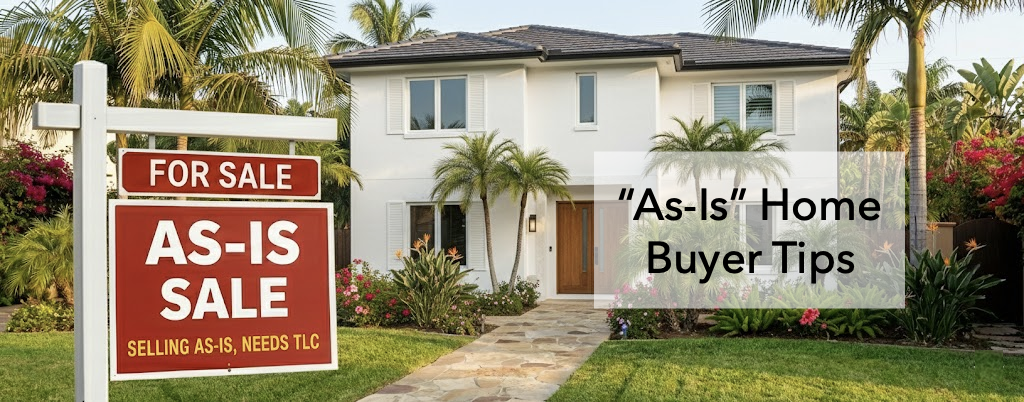
Fxers are everywhere, even in wealthy enclaves. They're available on the market, often at a discounted price, are older, and tend to be smaller. What sets them apart is the price. They may have a lower market value than other houses in the immediate area because they are distressed, poorly maintained, vacant, or abandoned.
Determining if a property is a wise investment requires careful consideration. Start by researching the average sale prices of homes in the area, along with the costs of the most desirable properties.
Questions to Ask when Considering an As-Is or Fixer
Seller Position: Sellers typically do not negotiate repairs or price changes and often sell as-is due to financial constraints or a lack of knowledge about the property.
Importance of Inspection: A thorough inspection is essential to identify significant issues with the structure, roof, or electrical systems.
Financing Challenges: Traditional loans may not be available for homes with serious problems; cash or special loans might be needed.
Hidden Costs: Be prepared for renovation and unexpected repair costs beyond the purchase price.
Due Diligence: An inspection contingency allows you to back out of the deal and recover your deposit if serious issues are found.
Tips for Success
Get a Detailed Inspection: Hire a qualified inspector to evaluate the home.
Budget for Repairs: Estimate repair costs and add 10-20% for surprises.
Understand Disclosures: Review sellers' disclosures of known defects carefully.
Consider a Home Warranty: This may cover repairs after closing. Note: Be sure to read the Home Warranty terms, which outline what's covered and the replacement options for failed appliances.
Negotiate Wisely: If the inspection reveals significant problems, you can negotiate repairs, a lower price, or move on to another property.
You may want to avoid purchasing homes in deplorable condition that require extensive renovations. Instead, consider properties that only require minor cosmetic updates, such as fresh paint, wallpaper, new flooring, window treatments, landscaping, and new appliances.
Keep in mind that if a home price seems too good to be true, it probably is. Always find out the reason behind the price before investing your hard-earned money.
When considering an As-Is transaction or searching for a fixer-upper deal, a good strategy is to find the least desirable home in the most desirable neighborhood. After identifying properties that interest you, evaluate whether the estimated costs to repair them fit within your budget.
:format(webp):quality(80)/u.realgeeks.media/treasurecoasthomesales/TCHS_logo_blog_1.png)