Quick answer: Rising premiums, tightening coverage, and insurer pullbacks mean home insurance now affects whether a real estate deal is affordable, marketable, and profitable — not just a formality handled at closing. Buyers, sellers, agents, and investors who check insurability early avoid deals that fall apart, overprice, or underperform later.
Insurance has moved from a closing-day formality to a factor that can make or break affordability, marketability, and investment returns alike. For buyers, sellers, agents, and investors, the smartest move now is the same one: treat insurance as part of the deal from day one, not a detail to sort out later.
Key Takeaways
- Home insurance now directly affects affordability, marketability, and investment returns in real estate transactions.
- Waiting until late in the process to check insurability can cause deals to fall through or investments to underperform.
- Buyers, sellers, agents, and investors each have a specific action they should take earlier in the process.
- Getting a property-specific insurance quote before an offer — not after — is the single most effective fix.
It's Not Just Paperwork Anymore
There was a time when getting a homeowners insurance quote was a box to check a few days before closing — a formality handled by the lender's checklist, rarely a factor in whether the deal happened at all. That era is over. Premiums have climbed sharply in recent years, availability has tightened in high-risk areas, and insurers are pulling back from markets they once covered without hesitation. What used to be background noise in a transaction can now derail one.
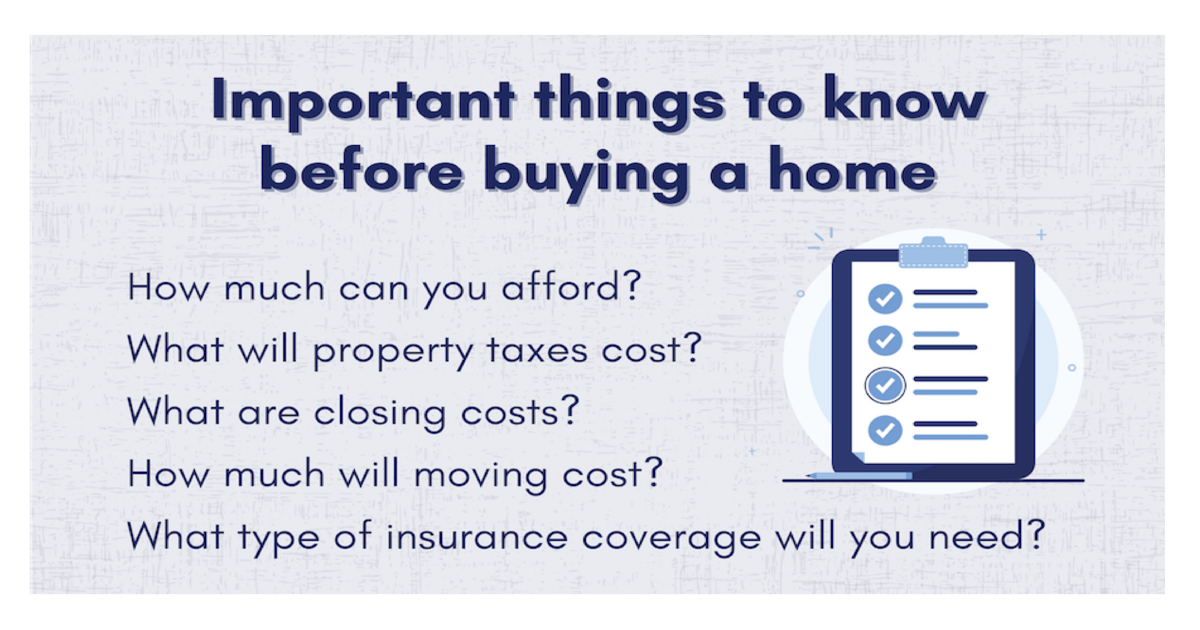
How Real Estate Insurance Affects Home Affordability
Buyers often calculate what they can afford based on purchase price, down payment, and mortgage rate. Insurance premiums can quietly reshape that math. A home that looks affordable on paper can become much less so once a buyer learns what it will actually cost to insure — and in some markets, finding coverage at any price is the harder problem. Waiting until late in the process to find this out is a costly mistake, since it can force buyers to walk away from deals they were already emotionally and financially invested in.
How Insurability Affects a Home's Marketability
For sellers, insurability affects more than a single transaction — it affects the pool of buyers who can realistically make an offer. If a property is expensive or difficult to insure, financing becomes harder to secure, and the list of qualified buyers shrinks. A listing's marketability isn't just about condition, location, and price anymore; it's also about whether the home can be insured on reasonable terms.
How Insurance Costs Impact Investment Returns
Investors face a sharper version of this problem. A property with strong rental potential can look far less attractive once realistic insurance costs — and the possibility of non-renewal — are factored into the return. The properties that seem like the best opportunities on the surface are sometimes the ones carrying the most insurance risk underneath. Skipping this step in underwriting can turn a promising deal into a disappointing one.
The Fix: Move Insurance Earlier in the Process
None of this requires buyers, sellers, agents, or investors to become insurance experts. It requires treating insurance as a first-step consideration rather than a final one:
- Buyers should get a property-specific quote as soon as a home is seriously under consideration, not after an offer is accepted.
- Sellers benefit from understanding their property's insurability before listing, so pricing and marketing reflect reality.
- Agents should know enough to flag potential red flags early and bring in a licensed insurance professional when needed.
- Investors should build insurance costs and availability into their return calculations before making an offer, not after.
Frequently Asked Questions
Why is home insurance a bigger issue in real estate now than it used to be? Premiums have risen sharply, and insurers have pulled back from higher-risk markets, so coverage that was once easy to obtain and predictably priced can now be expensive, limited, or unavailable — directly affecting affordability and deal viability.
When should a buyer get an insurance quote? As soon as a home is seriously under consideration, ideally before making an offer, rather than waiting until after the offer is accepted or during underwriting.
How does insurance affect a home's marketability? If a property is costly or difficult to insure, fewer buyers can secure financing, which shrinks the pool of realistic buyers and can make the home harder to sell at the expected price.
Do real estate agents need to become insurance experts? No. Agents need enough knowledge to spot potential red flags and know when to refer clients to a licensed insurance professional—not to give coverage advice themselves.
How should investors factor insurance into ROI calculations? Investors should get a property-specific insurance quote and check availability and non-renewal risk before calculating projected returns, since insurance costs can significantly change a property's real profitability.
The Bottom Line
The market has changed enough that insurance can no longer be an afterthought in the transaction. Whether you're buying a first home, listing your property, or evaluating an investment, the deals that hold up best are the ones where insurance was part of the conversation from the start.
Talk to a licensed insurance professional today to find out what it will really cost to protect your property — before it costs you the deal.

:format(webp):quality(80)/u.realgeeks.media/treasurecoasthomesales/TCHS_logo_blog_1.png)