Buying a home is one of the most exciting journeys you'll take — and on Florida's Treasure Coast, it's a journey a lot of people are taking right now. Between Port St. Lucie's growing neighborhoods, Stuart's waterfront charm, and the laid-back feel of Vero Beach, it's easy to see why buyers are drawn here. But excitement aside, every home purchase comes with a series of important milestones, and knowing what to expect at each one can mean the difference between a smooth closing and a stressful surprise.
The good news: most obstacles that pop up during a real estate transaction aren't random. They're predictable, and with the right preparation and the right guidance, they can be anticipated and managed before they become real problems.
Here's a look at the milestones every Treasure Coast home buyer should understand, and why having an experienced real estate professional in your corner matters at each one.
1. Getting Pre-Approved, Not Just Pre-Qualified
Before you start touring homes, lenders will typically offer either pre-qualification or pre-approval. Pre-qualification is a quick, informal estimate. Pre-approval involves verifying your income, assets, and credit, and it results in a letter that shows sellers you're a serious, capable buyer.
In competitive Treasure Coast markets, a pre-approval letter can be the difference between winning a home and losing it to another offer. An experienced agent will typically connect you with trusted local lenders who understand the area's market conditions and can move quickly.
2. Finding the Right Home (and the Right Offer Strategy)
Once you know your budget, the search begins. This step is about more than square footage and school districts. Flood zones, insurance costs, HOA rules, and proximity to the coast all carry more weight in Florida than in many other states, and they can significantly affect your long-term costs.
A local agent brings market knowledge that's hard to replicate with online listings alone: recent comparable sales, how long homes are sitting on the market, and what a competitive but reasonable offer looks like for that specific neighborhood.
3. Home Inspection: Expect the Unexpected
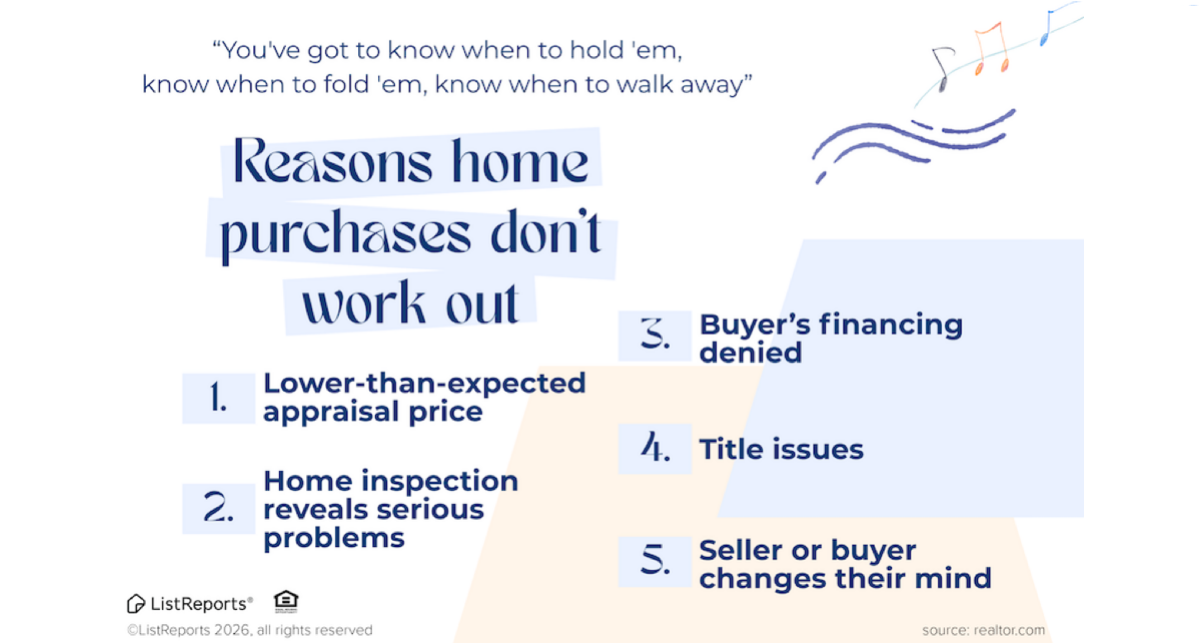
The inspection period is where many transactions hit their first real bump. Roof age, HVAC condition, plumbing, and — especially in Florida — wind mitigation and four-point inspections for insurance purposes are common points of negotiation.
Finding an issue during inspection isn't a deal-breaker. It's an opportunity to negotiate repairs, credits, or a price adjustment. Buyers without guidance sometimes panic at this stage or, conversely, don't negotiate at all. An experienced agent knows which issues are worth pursuing and which are simply part of owning a home.
4. The Appraisal
Your lender will order an appraisal to confirm the home is worth what you've agreed to pay. If the appraisal comes in lower than the purchase price, it can put the deal at risk. This is another moment when preparation matters: a knowledgeable agent will have already priced the offer using solid comparable sales, reducing the odds of a surprise, and will know how to renegotiate if one arises.
5. Underwriting and Financing
Behind the scenes, your loan moves through underwriting, where the lender verifies every detail before issuing final approval. This stage can involve requests for additional documentation, and delays here are one of the most common reasons closings get pushed back.
Buyers who remain responsive to lender requests and avoid major financial changes (new credit cards, job changes, or large purchases) during this window tend to move through underwriting far more smoothly.
6. Title Search and Insurance
Before closing, a title company confirms the property has a clear title, free of liens, ownership disputes, or unresolved claims. In Florida, title issues aren't uncommon, particularly with homes that have changed hands multiple times or been through foreclosure. Title insurance protects you from problems that surface after closing, and your agent can help make sure this step doesn't get overlooked in the excitement of getting to the finish line.
7. The Final Walkthrough
Just before closing, you'll walk through the home one more time to confirm that its condition matches what was agreed upon and that any negotiated repairs have been completed. This is your last chance to catch a problem before signing, so it's worth taking seriously rather than treating it as a formality.
8. Closing Day
Closing day involves signing a stack of documents, transferring funds, and officially receiving the keys. Small issues, such as a discrepancy in wiring instructions or a last-minute document request, can still surface here. Having someone experienced in coordinating with your lender, the title company, and the seller's side helps resolve these details quickly rather than derailing the closing.
Why Guidance Matters at Every Step
None of these milestones are meant to be intimidating. Most home purchases move through this process without major drama. But when something does come up, whether it's an inspection finding, an appraisal gap, or a title question, having someone who has navigated these situations before makes it far easier to keep the transaction on track.
That's the real value of working with an experienced real estate professional: not just finding the home, but anticipating the bumps along the way and knowing how to handle them before they become bigger problems.
Frequently Asked Questions
What are the biggest milestones in the home buying process? The main milestones are pre-approval, house hunting and making an offer, the home inspection, the appraisal, loan underwriting, the title search, the final walkthrough, and closing day.
What usually causes delays when buying a home? The most common delays come from underwriting requests for additional documentation, appraisal gaps, and unresolved title issues. Staying responsive and working with an experienced agent helps minimize these delays.
Do I need a real estate agent to buy a home on the Treasure Coast? While it's not legally required, an experienced local agent helps you understand neighborhood-specific factors like flood zones and insurance costs, negotiate inspection and appraisal issues, and keep your transaction on schedule from offer to closing.
How long does it typically take to close on a home in Florida? Most conventional purchases close within 30 to 45 days of an accepted offer, though timelines can vary based on financing, inspection results, and title work.
Ready to Start Your Home Search?
Every home buying journey has its milestones, but you don't have to navigate them alone. If you're ready to start searching for your next home on the Treasure Coast, send me a message and let's map out the process together, from your first offer to the day you get your keys.
📩 Reach out now — let's get started
The sooner we connect, the sooner you're on your way home.
Eric Slifkin, Treasure Coast Home Sales 📱 772-288-1765
:format(webp):quality(80)/u.realgeeks.media/treasurecoasthomesales/TCHS_logo_blog_1.png)